Alignment on paper means nothing until it shows up in behaviour.
We help organizations shift the values, habits, and unwritten rules that quietly govern how people work — not just what's written in the employee handbook. Culture transformation rarely works in isolation: the strongest results come from pairing it with leadership development and, where needed, a redesign of the systems people work within.
Every organization has a culture, whether anyone designed it or not. Culture transformation is the deliberate work of changing what a group of people believes, values, and does by default — and realigning it with where the business is actually trying to go. It's rarely one announcement. It's a series of specific, sustained changes to behaviour, leadership, and the systems that reward both.
Most culture efforts pull only one lever — a training programme, a new values poster, a town hall. Real, lasting change happens where all three move together: what leaders visibly do, what the systems around people reward, and what the group genuinely believes to be true.
Not every performance issue is cultural — sometimes it really is a broken process or a resourcing gap. But these are the patterns that, in our experience, usually point back to culture.
Culture doesn't jump from broken to healthy overnight — it moves through recognisable stages. Knowing which one you're in tells you what kind of intervention will actually help, versus what will just add noise.
Culture doesn't change because leadership announced it. It changes because the systems, incentives, and daily habits around people changed first — and stayed changed long enough to become normal.
No training programme outweighs what employees watch their leaders actually do. This is why leadership behaviour is always the first thing we work on, never the last.
Most culture programmes treat pushback as a communications problem to manage around. We treat it as the most honest feedback in the building — it tells you exactly where the plan doesn't yet match reality on the ground.
A culture programme without a way to measure it is just a series of workshops. We agree the indicators with you before the work starts, and track a mix of leading and lagging signals throughout.
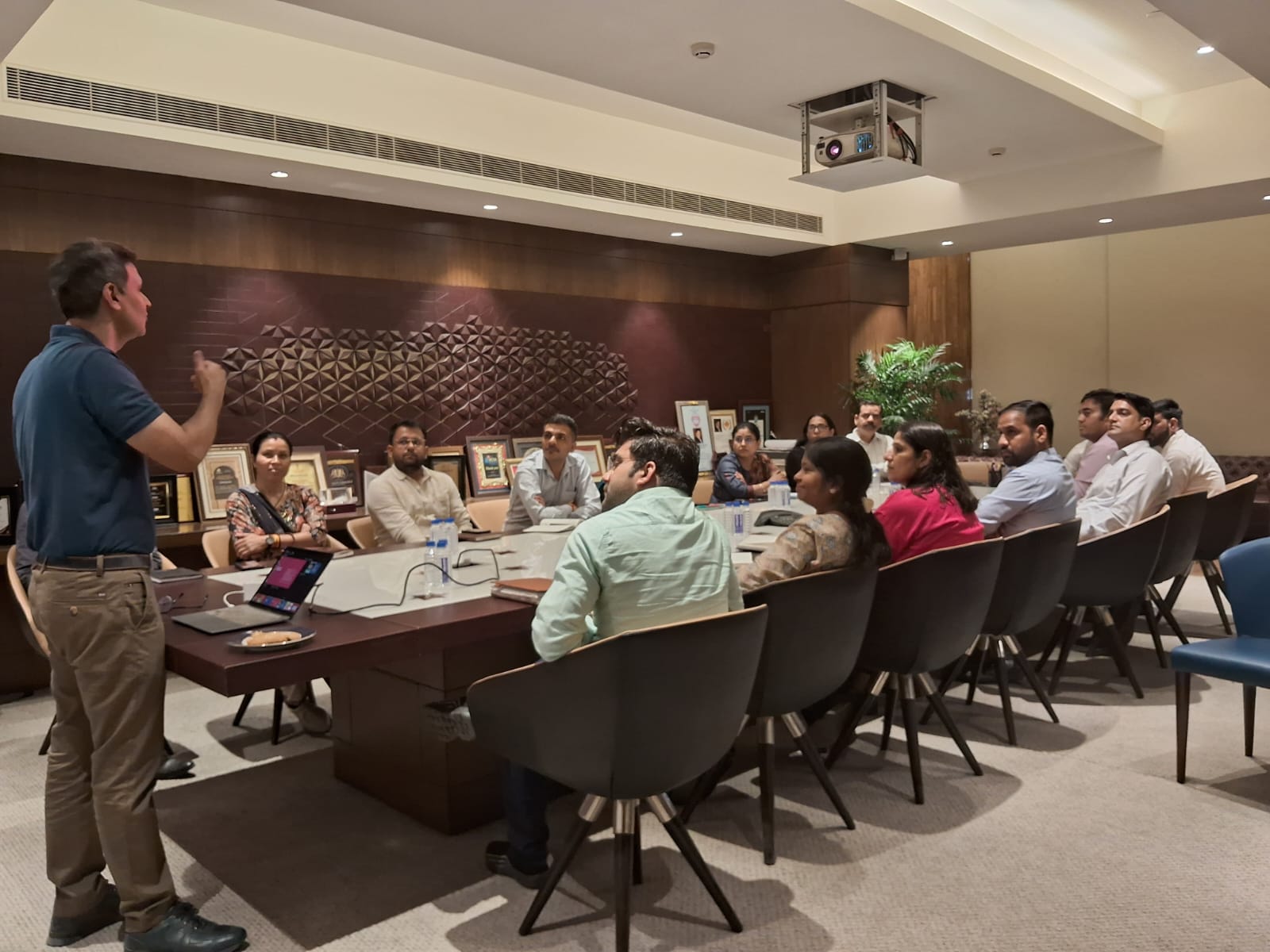
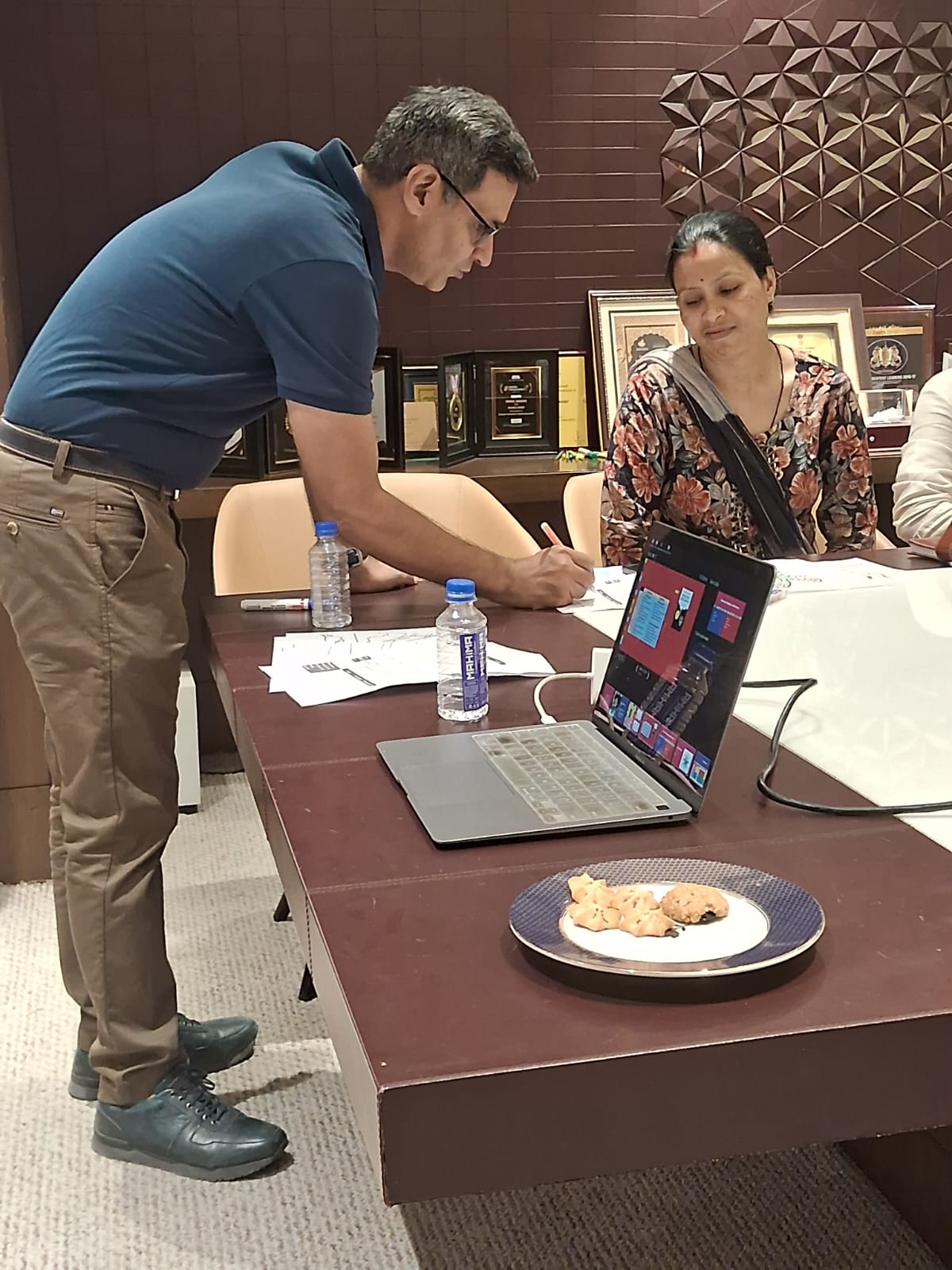
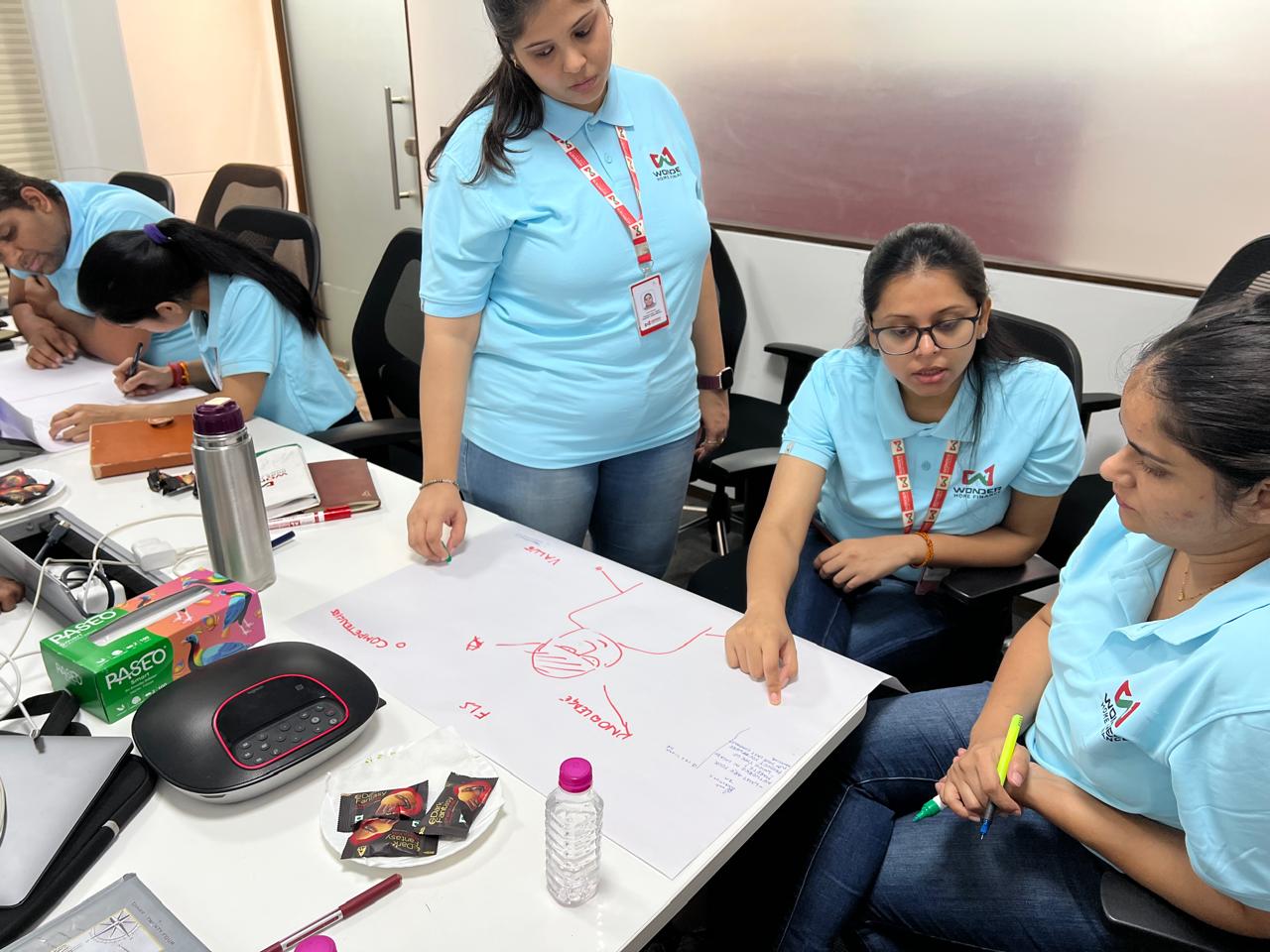
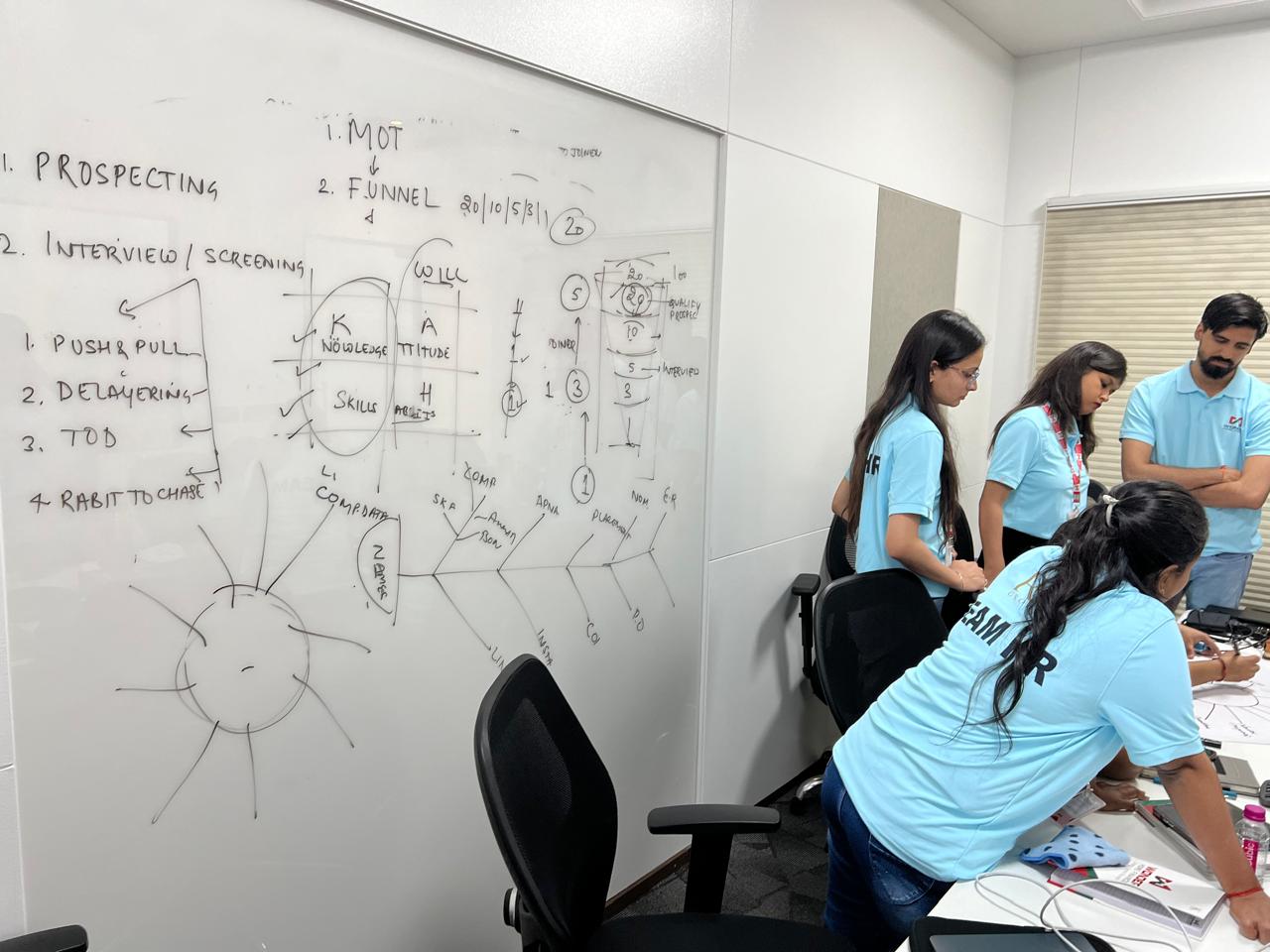
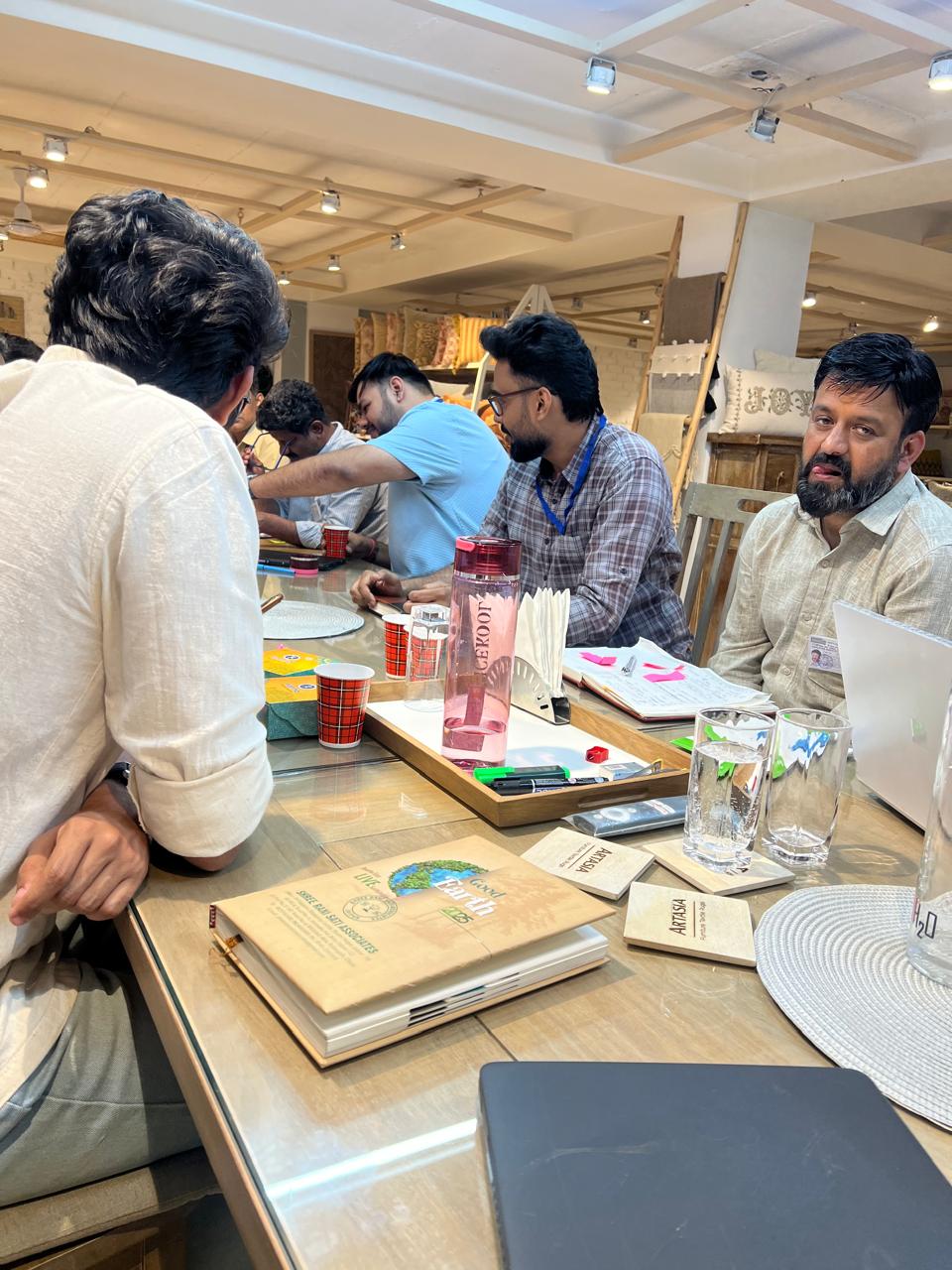
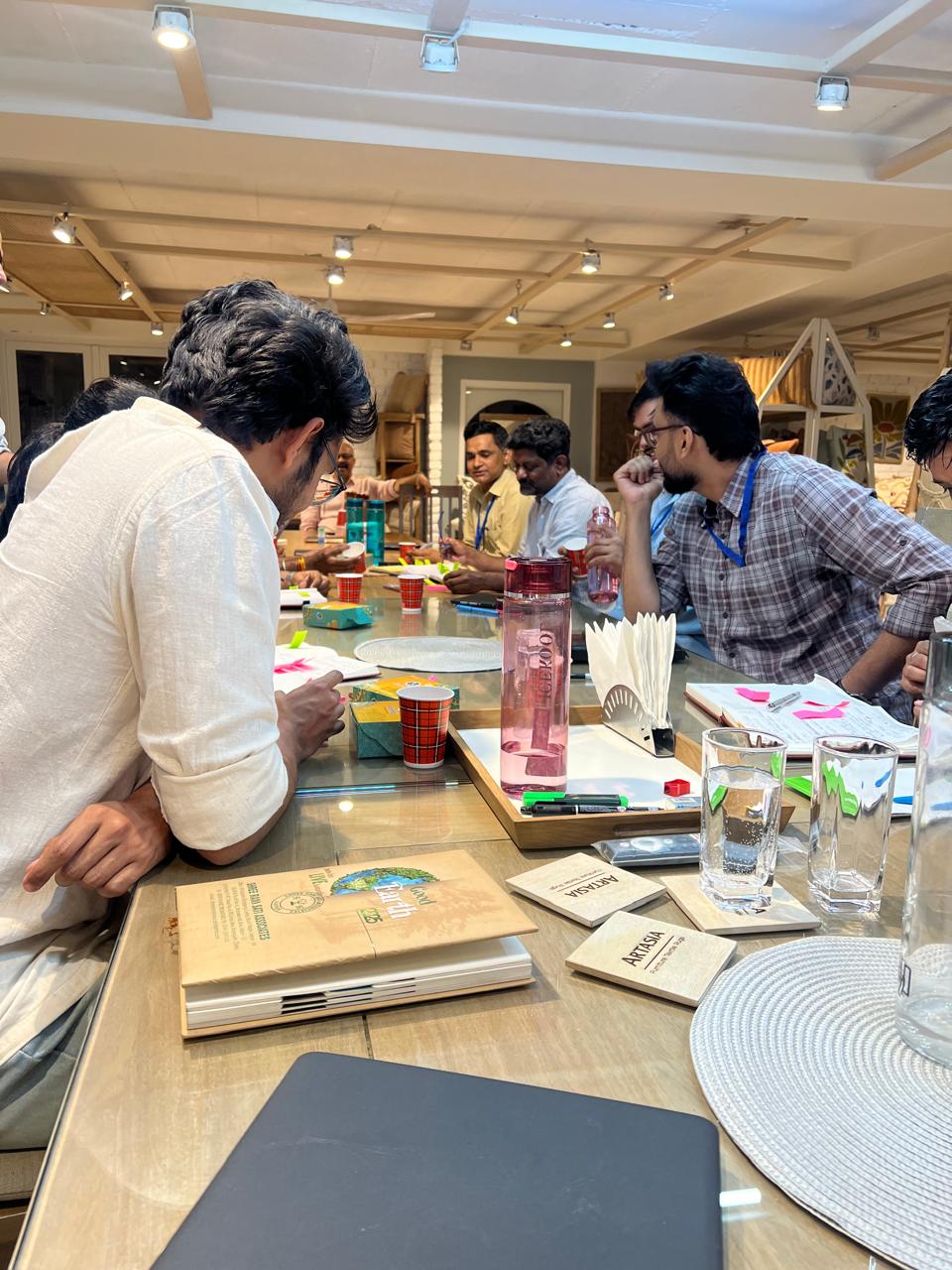
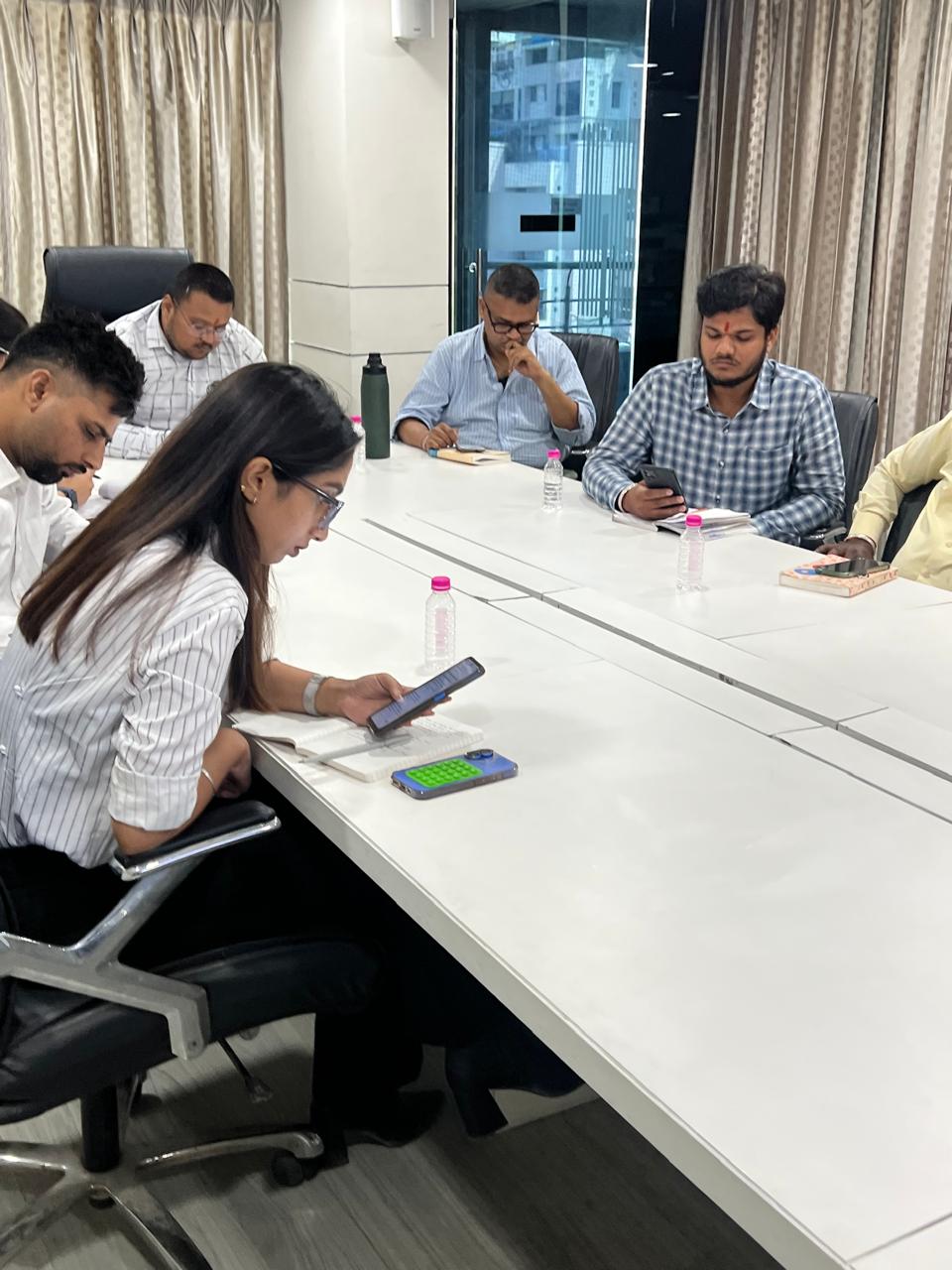
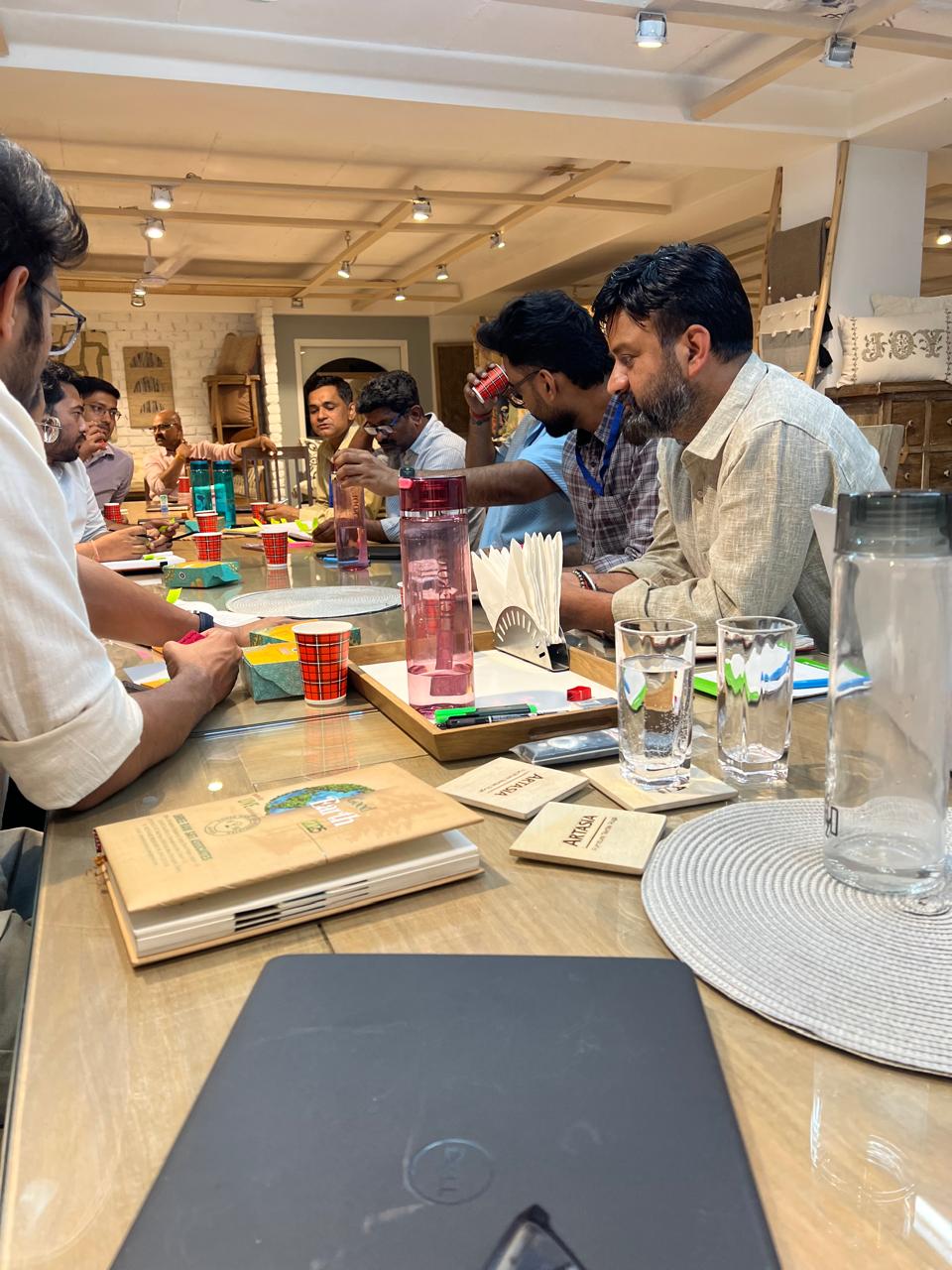
Boardroom conversations, one-on-one coaching, and the messy whiteboard moments in between — this is what a culture engagement looks like on the ground.
Culture transformation sits inside a broader body of work — 200+ organizations, 82,000+ participants, across 24 sectors and 4 countries since 2014.
Bring us the pattern you've noticed — attrition, silos, a values statement nobody can quote. We'll come back with a diagnosis, not a proposal template.
Share your challenge and we'll come back with a perspective — not a sales pitch.